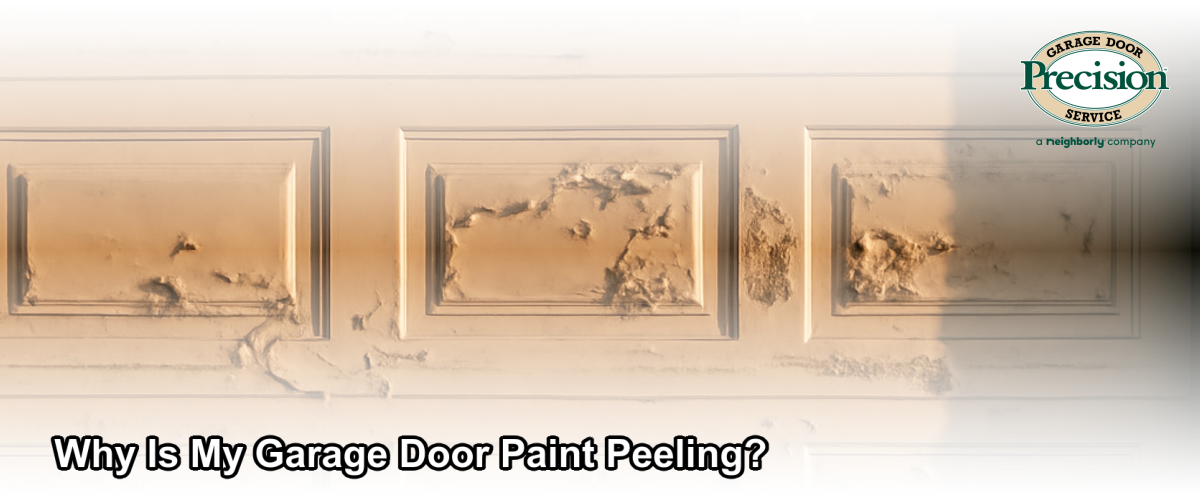
What causes garage door paint to peel in Ventura, CA?
Garage door paint peels in Ventura primarily because of the region’s combination of intense coastal UV exposure, salt-laden marine air, and humidity fluctuations that break down paint adhesion over time. Unlike inland climates, Ventura sits close to the Pacific Coast, which means garage doors face a uniquely aggressive environment where moisture and sun work together to degrade even quality paint finishes faster than homeowners expect.
Understanding the specific causes — not just the symptoms — is the first step to choosing the right fix and preventing the problem from returning. The sections below cover every major culprit, from surface preparation failures to material mismatches.
How does coastal humidity and salt air cause garage door paint to peel?
Salt-laden marine air from the Pacific accelerates paint failure on garage doors in Ventura by penetrating microscopic gaps in the finish, causing the paint to lose adhesion from the substrate below. This process — called osmotic blistering — starts invisibly beneath the surface before bubbles and flakes appear on the outside.
Homes within a few miles of the Ventura coastline and the Oxnard Plain are especially vulnerable. Salt particles carried by onshore breezes settle on the door surface, draw in moisture, and create a layer of pressure between the paint film and the steel or wood beneath it. Once that pressure cycle repeats through enough temperature swings — warm afternoons, cool marine-layer mornings — peeling is almost inevitable without the right primer and topcoat system.
The fix is not simply repainting over existing flakes. The affected areas must be fully stripped, sanded to bare substrate, primed with a corrosion-inhibiting primer, and finished with an exterior-grade paint rated for coastal environments.
Does UV exposure from the Southern California sun damage garage door paint?
Yes — prolonged UV exposure from the strong Southern California sun is one of the leading causes of garage door paint chalking, fading, and eventual peeling in Ventura and throughout Ventura County. UV radiation breaks down the resin binders in paint over time, turning the surface chalky and brittle so it can no longer flex with the door panels as they expand and contract.
South- and west-facing garage doors receive the highest daily UV load and tend to show degradation first. If your door faces west toward the afternoon sun, expect the topcoat to begin oxidizing within a few years without UV-resistant paint or a periodic clear-coat application. This is also why color choice matters — darker colors absorb more heat, which amplifies the expansion-contraction cycle that stresses the paint film at panel seams and edges.
Can poor surface preparation cause garage door paint to peel?
Poor surface preparation — including skipping primer, painting over rust, or applying paint to a dirty or oily surface — is the single most preventable cause of garage door paint failure, and it shows up as peeling within months rather than years. Paint bonds to a surface mechanically; if that surface is contaminated, oxidized, or too smooth, the bond is weak from day one.
Common preparation mistakes include:
- Painting directly over existing loose or flaking paint without stripping it first
- Skipping a bonding primer on bare steel or factory-finished panels
- Failing to clean the door with a degreaser before painting
- Not sanding between coats to promote mechanical adhesion
- Applying paint in extreme heat or direct sunlight, which causes the surface to skin over before it fully cures
A door that was previously repainted by a prior homeowner without proper prep is especially likely to develop layered peeling — where multiple generations of paint separate from each other rather than from the door itself.
Does the material of my garage door affect how quickly paint peels?
Yes — the door material is a critical factor in paint durability, because steel, wood, and aluminum each expand and contract at different rates and require different primer and paint systems to maintain adhesion. Using the wrong paint type for your door material is a reliable path to early peeling.
Steel doors are the most common in Ventura-area homes. They are prone to surface rust if the primer coat is damaged, and rust expansion underneath the paint is a major driver of bubbling and peeling. Wood doors — including carriage house styles — absorb and release moisture seasonally, which means the paint film must remain flexible; an inflexible exterior paint will crack and peel at joints and edges. Custom wood doors in particular require a high-quality oil-based primer or a penetrating stain-and-sealer system rather than a standard latex topcoat.
If you are considering a new door with a more durable factory finish, Precision Garage Door of Southern California offers steel, carriage house, custom wood, and glass door styles from the Ventura office at 2734 Johnson Dr #202, Ventura, CA 93003 — new garage doors start at $1,657, and many factory finishes carry significantly longer paint warranties than field-applied paint.
Can garage door paint peel because of moisture trapped inside the panels?
Moisture trapped inside hollow steel garage door panels causes paint to bubble and peel from the inside out, a problem that is common on older uninsulated doors in coastal climates like Ventura. When temperature differentials cause condensation inside the panel cavity, that moisture works its way through small rust spots or seams and lifts the exterior paint film.
This type of failure looks different from standard surface peeling — you will often see raised blisters or dome-shaped bubbles rather than flat flaking. Pressing on the blister and hearing a hollow sound or seeing rust staining beneath confirms the source is internal moisture rather than a surface adhesion problem.
Insulated garage door panels resist this mechanism more effectively because the foam core limits condensation inside the cavity. As covered in our maintenance guides, a yearly inspection of panel seams, weatherstripping, and bottom seal condition helps catch early moisture infiltration before it accelerates paint damage.
Does neglecting garage door maintenance make paint peeling worse?
Skipping routine maintenance accelerates paint failure because small cracks, rust spots, and seal failures go unaddressed until moisture has already worked deeply under the paint film. A consistent maintenance routine is one of the most cost-effective ways to extend the life of any garage door finish in the Ventura climate.
Basic maintenance steps that directly protect paint include:
- Washing the door surface with mild soap and water at least twice a year to remove salt and debris
- Inspecting seams, edges, and hardware cutouts for bare metal or rust beginning to form
- Touching up small chips and scratches immediately with a matched exterior paint before moisture penetrates
- Checking that the bottom seal and weatherstripping are intact to prevent ground-level moisture wicking
Precision Garage Door of Southern California includes a 25-point safety inspection with service visits, which gives technicians an opportunity to flag paint and panel issues before they become structural problems. The team serves Ventura, Oxnard, Camarillo, Moorpark, Thousand Oaks, and communities across Ventura County — same-day service is available, and the office answers calls 24/7 with live operators.
What hidden costs should I expect when repainting or replacing a peeling garage door?
Repainting a peeling garage door costs more than the paint itself — stripping, priming, rust treatment, and labor add up quickly, and in many cases a full repaint approaches or exceeds the cost of a replacement panel or even a new door at the entry-level price point.
Here is what to factor into your total cost:
- Surface preparation: Stripping old paint, sanding, and rust treatment are the most labor-intensive steps and cannot be skipped without sacrificing the result
- Primer: A corrosion-inhibiting primer rated for coastal environments costs more than standard primer but is non-negotiable for Ventura-area steel doors
- Professional labor: Precision Garage Door of Southern California’s standard labor rate is $190/hour; a diagnostic service call is $69.95 and allows a technician to assess whether repainting, panel replacement, or a full door replacement is the right recommendation
- Panel replacement: If peeling is accompanied by dents, rust-through, or structural damage, replacing individual panels is often more cost-effective than repainting compromised steel
- New door: New garage doors from Precision Garage Door of Southern California start at $1,657, and factory paint warranties on new doors typically outlast any field-applied repaint — financing through Synchrony is available for both repairs and new installations
The $69.95 service call is the most reliable way to get an honest, specific recommendation for your door’s condition rather than guessing which repair path makes sense.
When should I call a professional instead of repainting my garage door myself?
Call a professional when peeling paint is accompanied by rust, dents, panel warping, or operational problems — because those conditions indicate the door has structural issues that a paint job will not fix and may actually conceal. Paint-only peeling on a sound, flat panel with no rust is the best candidate for a careful DIY repaint.
Precision Garage Door of Southern California — a licensed, insured garage door specialist with California State Contractor’s License #993555 and IDEA Certified Residential Technicians — serves Ventura and the surrounding region seven days a week, including evenings and weekends at no extra charge. With over 1,470 customer reviews and a professional team that completes months of classroom and on-road training before working solo, the company stands behind every recommendation and repair.
To schedule a $69.95 diagnostic visit or ask about new door options starting at $1,657, contact the Ventura office at 2734 Johnson Dr #202, Ventura, CA 93003 or reach a live operator any time at (805) 206-2434.
This guide was prepared by Precision Garage Door of Southern California’s IDEA Certified Residential Technicians serving Ventura, CA and communities throughout Ventura County, Western San Fernando Valley, and Santa Barbara.
Frequently Asked Questions
Why is my garage door paint bubbling and peeling near the coast?
Salt air from the Pacific carries moisture that penetrates small gaps in the paint film, breaking its bond with the door substrate — a process called osmotic blistering. Ventura’s coastal climate makes this one of the most common causes of garage door paint failure in the area, and it requires a corrosion-inhibiting primer and coastal-rated topcoat to prevent recurrence.
How much does it cost to fix peeling garage door paint in Ventura, CA?
Costs vary depending on whether the door needs a repaint, panel replacement, or full replacement. A diagnostic service call through Precision Garage Door of Southern California is $69.95 and helps determine the right path; professional labor runs $190/hour, and new garage doors start at $1,657 with financing available through Synchrony.
Can I repaint a garage door myself, or do I need a professional?
A DIY repaint is feasible when peeling is limited to the surface paint on a structurally sound, rust-free panel — but it requires full stripping, sanding, a bonding primer, and an exterior-grade topcoat. If there is rust, warping, or the door is not operating correctly, a professional inspection is the smarter first step.
Does the type of garage door material affect how quickly paint peels?
Yes. Steel doors can develop rust under damaged paint, which forces the paint off from below. Wood doors absorb moisture seasonally, so the paint film must stay flexible or it will crack and peel at seams. Each material requires a primer and paint system matched to its specific expansion and moisture characteristics.
How can I prevent my garage door paint from peeling in Southern California?
Wash the door at least twice a year to remove salt and debris, touch up chips and scratches immediately with matched exterior paint, keep the bottom seal and weatherstripping intact, and use a UV-resistant topcoat rated for coastal climates. Annual professional inspections help catch early paint and panel damage before it worsens.